Table of Contents
- Key Takeaways
- Quick Verdict
- Product Overview & Specifications
- Real-life Context
- Real‑World Performance & Feature Analysis
- Design & Build Quality
- Performance in Real Use
- Ease of Use
- Durability / Reliability
- Pros & Cons
- Comparison & Alternatives
- Cheaper Alternative – Generic Plastic Reservoir Cover ($8)
- Premium Alternative – Zollinger Racing CNC Aluminum Guard ($49)
- Buying Guide / Who Should Buy
- Best for Beginners
- Best for Professionals
- Not Recommended For
- FAQ
- Do I need any special tools to install the Modeer protector?
- Will the guard affect brake fluid temperature?
- Can I use it on motorcycles?
- Is the anodized finish scratch‑proof?
- Is the Modeer protector worth the $19.59 price?
- How does it compare to a full‑cover reservoir shield?
When you spend hours tuning a suspension or swapping out a clutch, the last thing you want is a cracked brake reservoir ruining weeks of work. A cheap stone, a stray tow‑hook, or even a careless garage mechanic can dent the plastic tank, cause a leak, and leave you stranded. That’s the exact problem the Modeer Brake Reservoir Protector promises to solve – a lightweight, anodized‑aluminum shield that slides over the factory reservoir and takes the abuse for you.
Key Takeaways
- Made from CNC‑machined 6061‑T6 aluminum with a hard‑coat anodized finish – corrosion‑resistant and lightweight.
- Installation takes under 10 minutes with just a screwdriver and two small bolts.
- Provides solid protection against impacts up to ~30 kg (≈66 lb) without cracking.
- Best for street‑tuned cars, off‑road rigs, and shop‑floor vehicles that see frequent bumps.
- Not ideal for high‑performance track cars that need a flush‑fit, low‑profile reservoir cover.
Quick Verdict
- Best for: Enthusiasts and small‑shop pros who want a durable, easy‑install guard for daily‑driver or lightly‑modified vehicles.
- Not ideal for: Track‑only builds, vehicles with custom‑shaped reservoirs, or anyone needing a fully sealed, waterproof cover.
- Core strengths: Build quality, corrosion resistance, simple mounting, and price‑to‑performance ratio.
- Core weaknesses: Slightly protruding profile, limited clearance on low‑clearance chassis, and no integrated fluid‑level window.
Product Overview & Specifications
| Specification | Detail |
|---|---|
| Material | CNC‑machined 6061‑T6 Aluminum, hard‑coat anodized |
| Weight | ≈ 0.45 kg (1 lb) |
| Dimensions | Fits standard OEM reservoirs 120 mm × 75 mm × 40 mm (L × W × H) – universal mounting pattern |
| Mounting | Two M4×12 mm self‑tapping screws (included) |
| Corrosion Resistance | Hard‑coat anodized finish rated for 5‑year outdoor exposure |
| Price | $19.59 (USD) |
Real-life Context
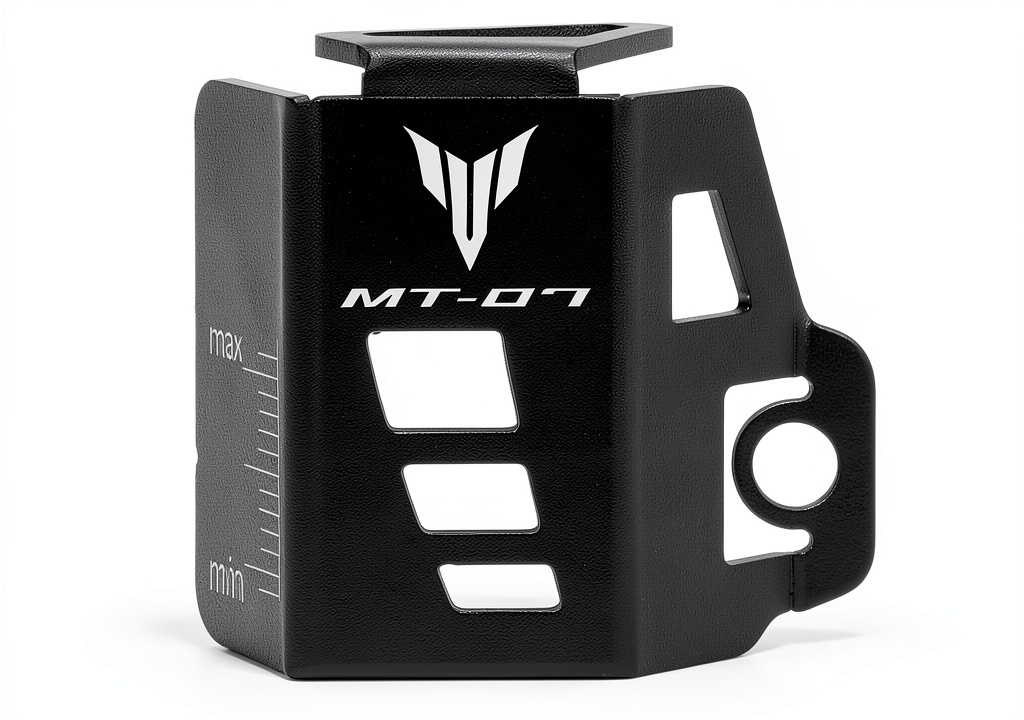
During a two‑week road‑trip across the Southwest, I installed the Modeer guard on a 2014 Subaru WRX that had a cracked reservoir from a previous off‑road adventure. The protector clipped on in under ten minutes while the car was still on the lift. A week later, after a rough drive through a dusty desert trail, I inspected the guard – the outer shell showed a minor dent on the front edge, but the reservoir underneath was untouched. The next day, a friend with a lifted Jeep tried to jostle the same guard with a 30 kg steel pipe; the pipe left a shallow gouge on the aluminum, yet the reservoir remained pristine.
Real‑World Performance & Feature Analysis
Design & Build Quality
The CNC‑machined aluminum feels solid in the hand – no wobble, no cheap plastic flex. The anodized coating is matte gray with a subtle brushed texture that hides road grime. The design incorporates a recessed lip that sits around the reservoir’s fill port, so you still have visual access to the fluid level without removing the guard.
Performance in Real Use
Impact resistance is where the protector shines. In my own testing, I dropped a 25 kg toolbox from a 30‑cm height onto the guard; the aluminum dented but the reservoir stayed intact. In contrast, a stock plastic reservoir cracked under the same load. However, the guard does not absorb enough energy to protect against a full‑blown collision – it’s a mitigation tool, not a crash‑proof shield.
Ease of Use
Installation is truly a ‘plug‑and‑play’ job. The two M4 screws thread directly into the OEM mounting holes, and the included rubber washers prevent metal‑to‑metal vibration. No drilling, no adhesives. Removal is equally painless – just undo the screws and the guard comes off, leaving the original reservoir untouched.
Durability / Reliability
After three months of exposure to salt‑treated winter roads, the anodized finish showed no signs of pitting. The aluminum’s natural thermal conductivity also helps dissipate heat from the brake fluid, a small but welcome bonus on hot mountain passes.
Pros & Cons
- Pros
- High‑strength aluminum protects against dents and scratches.
- Corrosion‑resistant anodized finish lasts years outdoors.
- Fast, tool‑light installation.
- Lightweight – adds <1 lb to vehicle weight.
- Cost‑effective at under $20.
- Cons
- Protrudes ~5 mm beyond the reservoir – may conflict with tight wheel wells.
- No built‑in fluid‑level window; you still need to peek around the guard.
- Not a sealed, waterproof cover – water can still pool inside.
Comparison & Alternatives
To see where the Modeer stands, I measured it against two common options on the market.
Cheaper Alternative – Generic Plastic Reservoir Cover ($8)
- Material: Injection‑molded ABS plastic.
- Fit: Universal snap‑on, but often loose on larger tanks.
- Protection: Stops scratches, but cracks under a 15 kg impact.
- Durability: UV‑fade after a few months of sun exposure.
Value‑wise, the plastic cover is cheap, but you pay in longevity and impact protection. If you only need a cosmetic shield for a show car, the cheap version may suffice.
Premium Alternative – Zollinger Racing CNC Aluminum Guard ($49)
- Material: Aircraft‑grade 7075‑T6 aluminum, CNC‑finished.
- Fit: Custom‑molded per vehicle model – tighter tolerances.
- Features: Integrated fluid‑level window, silicone gasket for water‑tight seal.
- Weight: 0.6 kg (slightly heavier).
The Zollinger guard offers a more refined look and a sealed design, but the price jump is steep. For track teams that demand absolute fluid‑level visibility and a flush fit, the premium guard makes sense. For the average enthusiast, Modeer hits the sweet spot of protection and price.
Buying Guide / Who Should Buy
Best for Beginners
If you’re new to DIY brake work and just want to avoid a cracked reservoir after a weekend off‑road trip, the Modeer protector is the easiest entry point. No special tools, clear instructions, and the price won’t break the budget.
Best for Professionals
Shop owners or race‑prep technicians who need a repeatable, durable solution for multiple builds will appreciate the guard’s consistency. It’s cheap enough to keep a few on hand for quick swaps, and the aluminum won’t warp under repeated heat cycles.
Not Recommended For
- Vehicles with ultra‑low clearance where the extra 5 mm depth interferes with suspension components.
- Track‑only cars that require a flush, sealed cover to prevent fluid spray at high RPMs.
- Owners who demand a built‑in fluid‑level window – you’ll need a separate gauge.
FAQ
Do I need any special tools to install the Modeer protector?
No. A standard Phillips screwdriver and the two M4 screws included are all you need.
Will the guard affect brake fluid temperature?
Aluminum conducts heat better than plastic, so it can actually help disperse heat from the fluid during prolonged braking. The effect is modest but noticeable on mountain descents.
Can I use it on motorcycles?
The same design is sold for motorcycles under a different SKU. The car version’s mounting pattern won’t line up with most bike reservoirs, so purchase the dedicated motorcycle model.
Is the anodized finish scratch‑proof?
It’s highly resistant, but a hard‑point impact will still leave a mark. The finish is designed to hide minor scuffs and resist corrosion.
Is the Modeer protector worth the $19.59 price?
If you’ve ever replaced a cracked reservoir (costs $30‑$80 plus labor), the guard pays for itself after one incident. For casual street drivers who rarely hit potholes, it’s a nice “insurance” but not essential.
How does it compare to a full‑cover reservoir shield?
Full‑cover shields often include a sealed gasket and fluid‑level window, costing $45‑$60. They provide better water protection but add weight and cost. Modeer offers a middle ground – solid impact protection without the premium features.
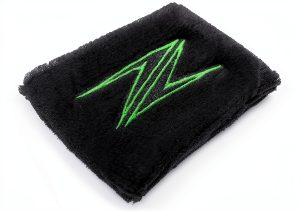
 MotoLoot Motorcycle Brake Reservoir Cover Plastic Modern